
amy green
The Future of Work/Life
Success that sustains. Performance that lasts. People who are well.
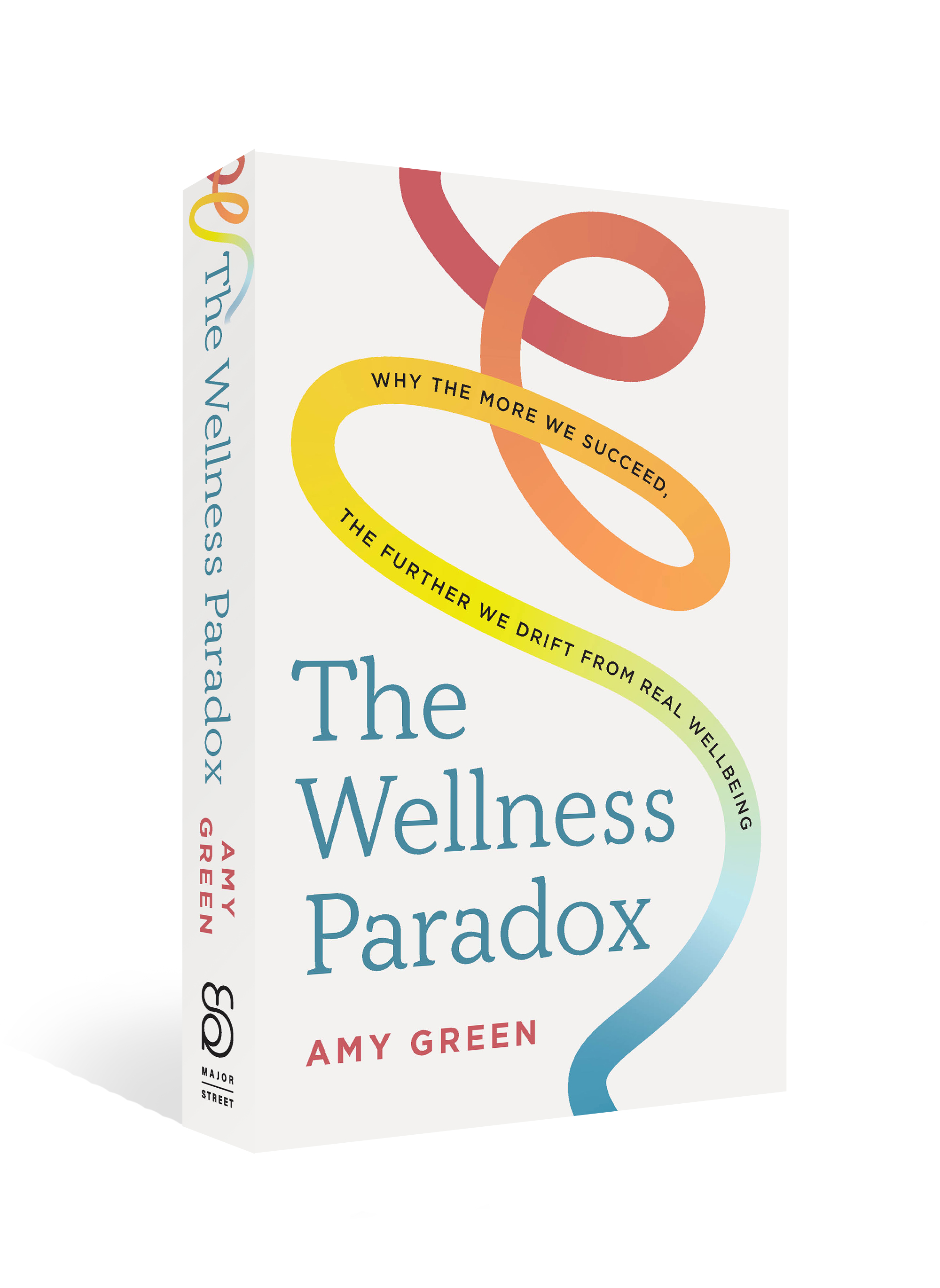
be the first to know
COMING JUNE 30TH
A reflective exploration of modern success and its hidden costs.
Work With Us
Speaking

Signature keynotes to inspire and motivate, workshops and facilitation to develop insights and action that imapct how we live and work.
Strategic Advisory

Co-design the future of work/ life with us. Unplug from inherited systems and rebuild what actually works. Bespoke advisory for your workpalce.
Retreats & Intensives
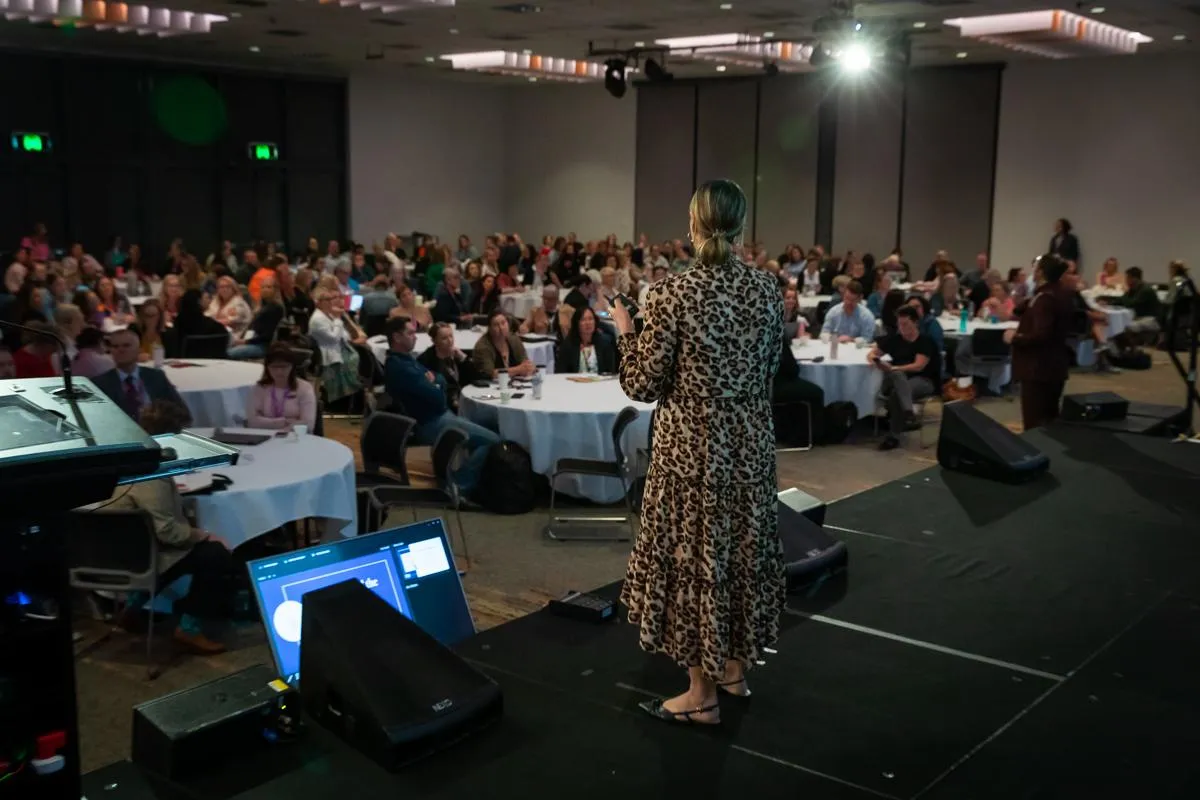
Bring Amy into your next retreat or intensive to facilitate, present, and help your people rethink success and performance.
Living well and working well aren't separate goals.
You don't have to sacrifice who you are to achieve something great.
Meet amy - Futurist.Speaker.author
From wellbeing consultant to cultural strategist
After years building frameworks, programs and a reputation in workplace wellbeing, Amy realised the issue most people and organisations were facing was never just overworking or feeling burnout on a Friday afternoon, it was what they had plugged into. The pace, the pressure, the inherited definitions of success that nobody consciously chose, and the layer of wellbeing as an additional task.
Amy is bringing the next chapter of work/life. It is a methodology, a movement and a realignment for workplaces and people, built on one organising principle: the future of work/life isn't a balancing act, it's designing how they intentionally go together.
Keynote speaker
strategic advisor
Author
podcast host
cultural commentator
This is not another wellness program.
This is not about coping better.
This is about questioning what you plugged into in the first place.
It's time to unplug, rebuild, re-enter.
past organisers & attendees
What People Say
You were very engaging, beautifully spoken and relatable to the audience and have provided much needed insight into the importance of wellbeing in schools. Your knowledge in this space clearly shows.
Working with Amy was a great opportunity for our team. Her insights into wellbeing sparked meaningful discussions and are a positive advancement for our workplace culture. I especially appreciated how Amy emphasised the importance of personal responsibility in managing one's own wellbeing.
Through our work with Amy, we have a common understanding of staff wellbeing which is articulated through our newly created school wellbeing statement. It supports our school culture of compassion, stewardship, excellence and service.





Podcast??

Defining the Working Week for Teachers
When work has no edges, everything feels like work
Workload conversations often start with the same feeling.
It’s too much.
It never ends.
And no one is quite sure where the line is meant to be.
Post Covid, we’ve become far more aware of how different workplaces function. Flexible hours, working from home, and negotiated start and finish times are now part of everyday language across many industries.
Education is different.
Like healthcare, policing, early learning and other service based professions, educators cannot choose when the workday starts or finishes. We show up for people. That reality has not changed. But what has changed is the urgency of getting clearer about what actually sits inside a working week and what does not.
Because without clarity, workload becomes impossible to measure.
Why defining the working week matters
If we cannot define what a working week looks like, we cannot meaningfully talk about workload.
Everything becomes subjective.
Everyone feels like they are working too much.
And boundaries slowly dissolve until work fills every available space.
Defining the working week gives us something concrete to work with. It allows leaders, teams, and individuals to ask better questions about expectations, pressure, and sustainability.
This is where a document from the Queensland Teachers Union offers a surprisingly helpful starting point.
What the Queensland Teachers Union outlines
The guidance shared by the Queensland Teachers Union outlines a recommended average working week of 42 hours, across 40 weeks of the year.
That number often raises eyebrows. Forty two hours is a long week. But it is important to understand how it is structured and why it exists.
Across a standard ten week term, four times a year, this framework recognises that term time work is intense. That intensity is offset by term breaks, which is why the average is calculated across the year rather than each individual week.
Within those 42 hours, the time is broken down clearly.
25 hours are non discretionary
This is on site, scheduled time.
Face to face teaching.
Duty of care.
Playground duties.
Scheduled non contact time.
This is the time the school controls.
Around 3 additional hours
These typically account for meetings, team meetings, and professional learning community time.
14 hours are discretionary
This is where flexibility exists.
Planning.
Assessment and marking.
Preparation.
Reporting.
Moderation.
These hours do not need to be completed on site. Educators can decide when, where, and how this work happens.
And this is the key point.
This does not mean teachers are only expected to work 25 hours a week.
The expectation is 42 hours. The difference is where control and flexibility sit.

Why this clarity changes the workload conversation
Once we define the working week, workload becomes measurable.
We can stop speaking in generalisations and start asking practical questions, such as:
Are we being pushed beyond a 42 hour working week
What specifically is pushing the work beyond that point
Which tasks are essential and which ones have quietly accumulated
What can be reduced, redesigned, or removed
What genuinely supports learning, teaching, and wellbeing
This framework also introduces an important concept. Time theft.
Time theft occurs when work expectations consistently creep beyond the defined working week and start drawing from personal time. Evenings. Weekends. Term breaks.
Without clear parameters, this creep often goes unnoticed and unchallenged.
Boundaries need structure, not willpower
Many educators blame themselves for struggling to switch off. But the issue is rarely personal discipline.
It is structural.
When the working week is undefined, boundaries rely on individual resilience rather than shared expectations. Everything feels urgent. Everything feels like work. And nothing ever quite finishes.
Clarity creates containment. It allows educators and leaders to say, with confidence, this fits within the working week and this does not.
A necessary reality check
A 42 hour working week is significant. Broken across five days, it averages well over eight hours a day. That intensity is real.
There is an inherent trade off built into term based work. Intense terms balanced by breaks.
If we reduced the weekly hours, the structure would have to change elsewhere. Fewer breaks. Longer working years. Different rhythms.
There is no perfect solution. But avoiding the conversation altogether leaves workload undefined and wellbeing unprotected.
So what does this mean in practice
Defining the working week does not fix workload on its own. But it gives us a shared reference point.
It allows schools to audit expectations.
It supports leaders to make more informed decisions.
It helps educators recognise when the load has tipped too far.
Most importantly, it moves workload conversations away from emotion alone and into clarity, structure, and design.
If you are unsure where to start, this framework is a solid foundation. Even if you are not in Queensland, it offers language and parameters that can support better conversations wherever you are.
My final thoughts
Workload will always exist in education. The work matters and it is complex.
But when we stop defining the working week, we stop protecting the people doing the work.
Clarity is not about limiting commitment.
It is about making the work sustainable.
If your school or leadership team is struggling to define workload, boundaries, or expectations, this is exactly the kind of work we address through Staff Wellbeing by Design and Beneath the Surface at The Wellness Strategy.
Both support schools to move beyond vague wellbeing conversations and into clear, shared frameworks that protect staff capacity and support better decision making.
You can explore these options at
https://thewellnessstrategy.com.au/

want to speak wtih amy?
Book Here
the old model isn't working
We've done everything right.
We're working harder than ever.
We're still exhausted.
It's time to UNPLUG

View our Privacy Policy and Terms and Conditions here.
© The Wellness Strategy 2026. All Rights Reserved.


