
amy green
The Future of Work/Life
Success that sustains. Performance that lasts. People who are well.
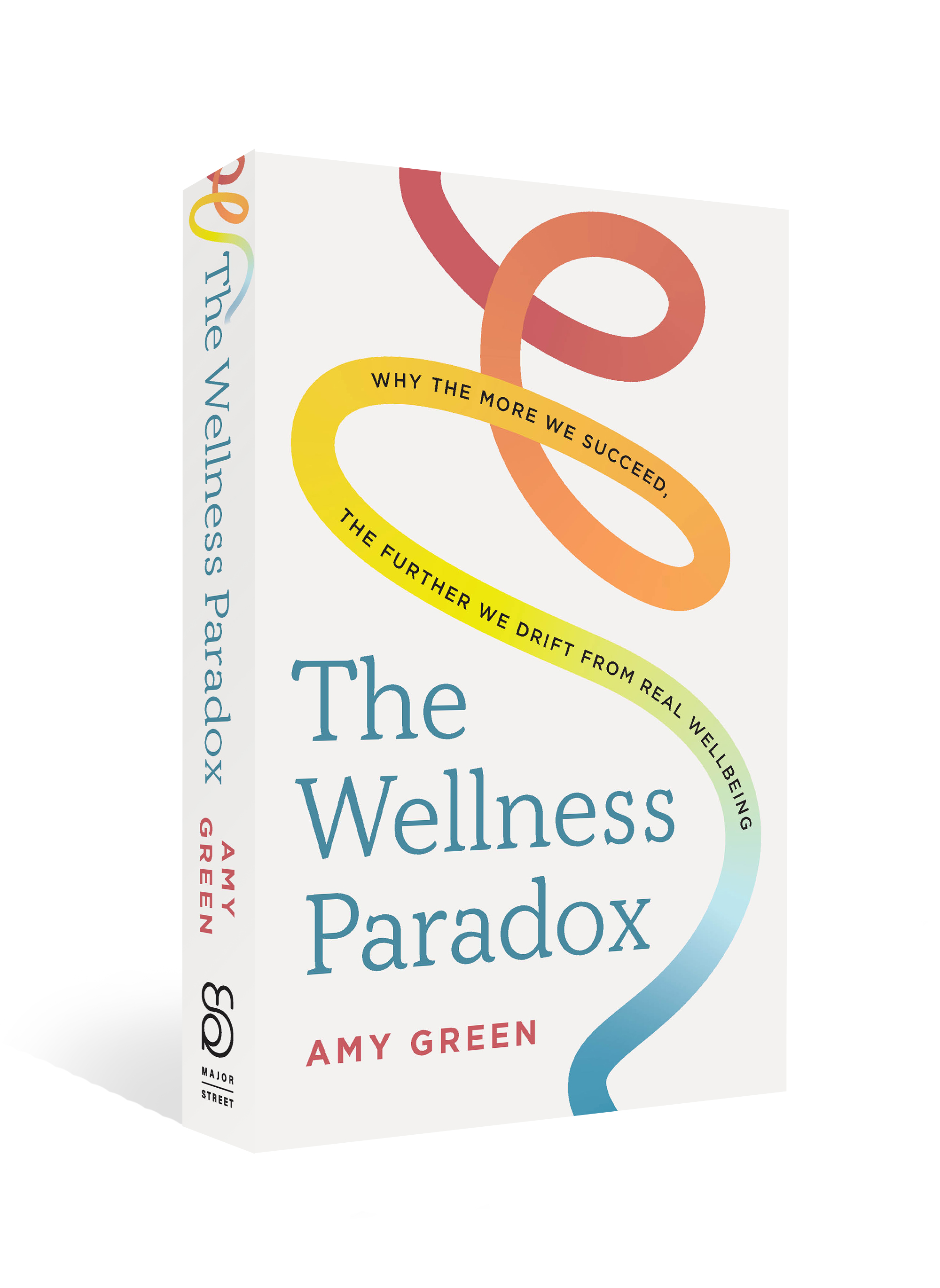
be the first to know
COMING JUNE 30TH
A reflective exploration of modern success and its hidden costs.
Work With Us
Speaking

Signature keynotes to inspire and motivate, workshops and facilitation to develop insights and action that imapct how we live and work.
Strategic Advisory

Co-design the future of work/ life with us. Unplug from inherited systems and rebuild what actually works. Bespoke advisory for your workpalce.
Retreats & Intensives
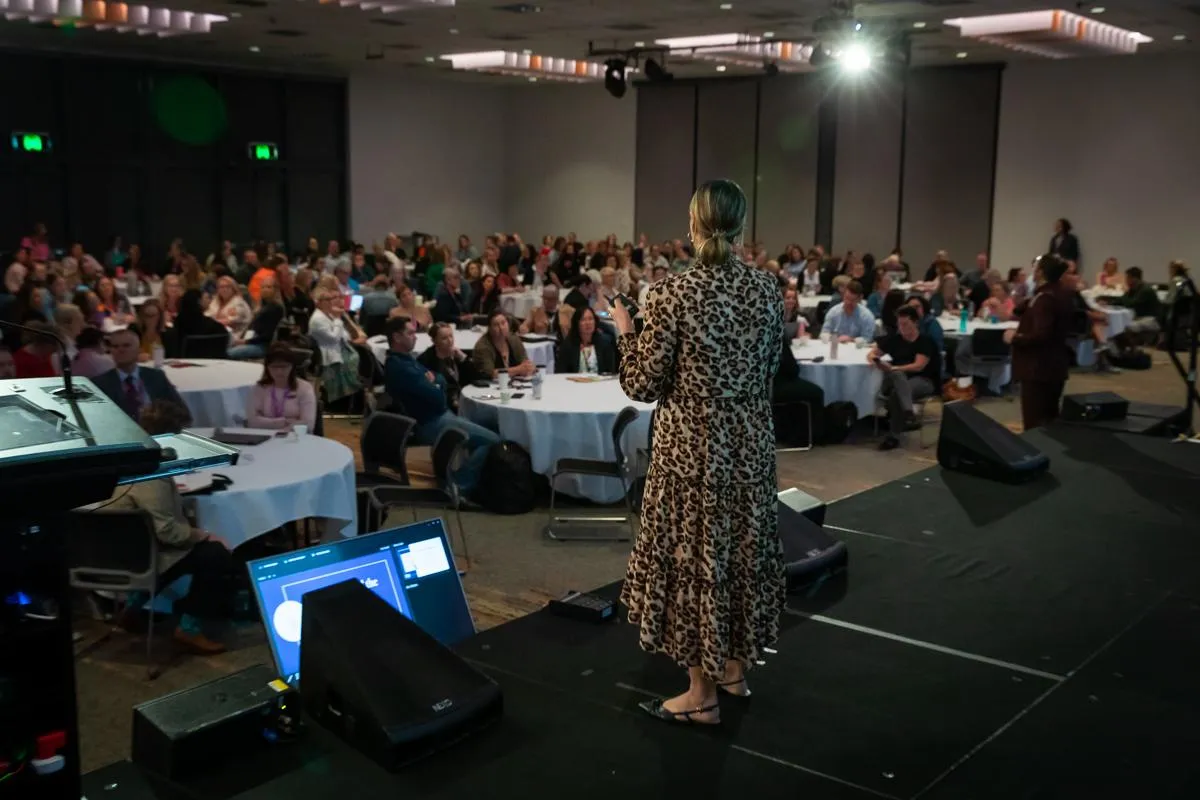
Bring Amy into your next retreat or intensive to facilitate, present, and help your people rethink success and performance.
Living well and working well aren't separate goals.
You don't have to sacrifice who you are to achieve something great.
Meet amy - Futurist.Speaker.author
From wellbeing consultant to cultural strategist
After years building frameworks, programs and a reputation in workplace wellbeing, Amy realised the issue most people and organisations were facing was never just overworking or feeling burnout on a Friday afternoon, it was what they had plugged into. The pace, the pressure, the inherited definitions of success that nobody consciously chose, and the layer of wellbeing as an additional task.
Amy is bringing the next chapter of work/life. It is a methodology, a movement and a realignment for workplaces and people, built on one organising principle: the future of work/life isn't a balancing act, it's designing how they intentionally go together.
Keynote speaker
strategic advisor
Author
podcast host
cultural commentator
This is not another wellness program.
This is not about coping better.
This is about questioning what you plugged into in the first place.
It's time to unplug, rebuild, re-enter.
past organisers & attendees
What People Say
You were very engaging, beautifully spoken and relatable to the audience and have provided much needed insight into the importance of wellbeing in schools. Your knowledge in this space clearly shows.
Working with Amy was a great opportunity for our team. Her insights into wellbeing sparked meaningful discussions and are a positive advancement for our workplace culture. I especially appreciated how Amy emphasised the importance of personal responsibility in managing one's own wellbeing.
Through our work with Amy, we have a common understanding of staff wellbeing which is articulated through our newly created school wellbeing statement. It supports our school culture of compassion, stewardship, excellence and service.





Podcast??

Five School Conditions That Quietly Shape Staff Wellbeing
Staff wellbeing is often talked about as though it’s something we add to schools.
Another session. Another initiative. Another strategy layered on top.
But after years of listening to educators, not through surveys alone, but through thousands of real conversations, a different picture keeps emerging.
While every school has its own context, the challenges staff are facing are remarkably consistent. And importantly, they’re not problems that require waiting for system-level change. They’re problems schools can address themselves.
Here are the five most common things educators keep telling me. When these are prioritised and understood as wellbeing issues, not operational ones, meaningful change follows.
1. Clear and easy-to-find processes for how we do things here
Most educators don’t need more information.
They need accessible information.
What often exists instead is a long handbook, dense, static, and difficult to navigate. When processes are hard to find or unclear, cognitive load increases and frustration follows.
Clear processes should be:
Easy to locate
Practical and visual
Consistent across teams
Think short written steps paired with simple video walkthroughs. A shared, living space that shows exactly how things are done, not a document people avoid opening.
This isn’t about control. It’s about reducing unnecessary mental effort so staff can focus on the work that matters.
2. Clear expectations for how meetings should be run
Time is one of the loudest wellbeing signals staff talk about.
And meetings sit right at the centre of this.
Without agreed expectations, meetings easily drift. Purpose becomes unclear, follow-up is inconsistent, and staff leave feeling they’ve lost time rather than gained clarity.
Strong meeting practice includes:
Clear purpose before the meeting
Agreed structure and norms
Defined outcomes and follow-up
This isn’t about having more time. It’s about using the time already allocated well, so meetings support wellbeing rather than drain it.
3. Middle leader role clarity
Middle leaders sit in a uniquely complex space. They’re often translating direction from above while supporting teams below.
When clarity is missing, they’re left to fill the gaps themselves. This creates inconsistency, tension, and unnecessary pressure.
Senior leaders play a critical role here by ensuring:
Clear expectations of the role
Explicit modelling of what good leadership looks like
Ongoing development and support
When middle leaders know the what, the how, and the why, they can lead with confidence rather than constantly second-guessing themselves.
4. Roles, responsibilities, and job clarity
This is one of the strongest drivers of workplace wellbeing.
Many schools are still operating on the assumption that everything that’s ever been done must continue, plus whatever new initiatives arrive. That approach isn’t sustainable.
Clarity here requires:
Reviewing roles for purpose and impact
Identifying duplication and inefficiency
Letting go of tasks that no longer serve the school
Wellbeing improves when people understand what they’re responsible for, what they’re not, and why their role exists in the first place.
5. Student engagement and learning
This is often framed as a behaviour issue, but staff experience it very differently.
What educators describe is the strain of inconsistency. Different expectations across classrooms, unclear learning routines, and a lack of shared approach to engagement and self-regulation.
Supporting staff here means:
Clear, shared expectations for learning and behaviour
Consistency across classrooms
Practical tools that strengthen student engagement
When engagement improves, emotional load reduces. And when emotional load reduces, wellbeing follows.
So what does this mean for staff wellbeing?
If you’re looking to improve staff wellbeing and these conditions are missing, this is where the work starts.
Not with another wellbeing session.
Not with surface-level initiatives.
But by ensuring the conditions in your school are:
Clear
Consistent
Easy to find
Embedded in everyday practice
Wellbeing doesn’t sit alongside the work. It grows out of how the work is designed.

My final thoughts
Schools don’t need to wait for the system to change before taking action.
The levers that shape staff wellbeing are already within reach.
If prioritising this work is on your agenda for 2026, this is exactly the space I support schools to work in. Clarifying systems, strengthening leadership practice, and designing the conditions that help educators function well, not just cope.
If this resonates, you might want to explore how Staff Wellbeing by Design, Beneath the Surface staff conversations, or Curriculum for Excellence can support your next steps. Each focuses on creating clarity and consistency as the foundation for sustainable wellbeing. You can learn more at https://thewellnessstrategy.com.au/.

want to speak wtih amy?
Book Here
the old model isn't working
We've done everything right.
We're working harder than ever.
We're still exhausted.
It's time to UNPLUG

View our Privacy Policy and Terms and Conditions here.
© The Wellness Strategy 2026. All Rights Reserved.


