
amy green
The Future of Work/Life
Success that sustains. Performance that lasts. People who are well.
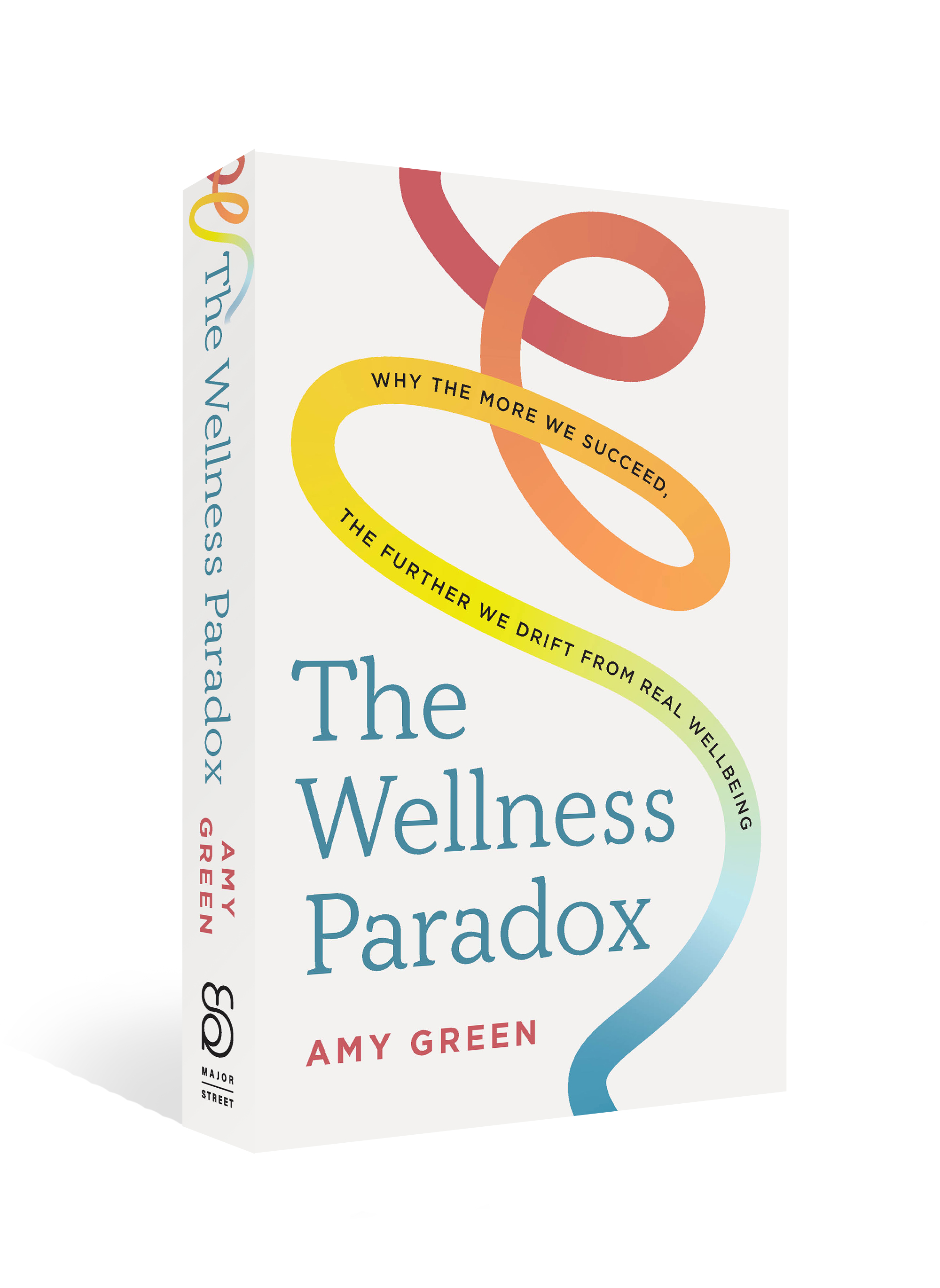
be the first to know
COMING JUNE 30TH
A reflective exploration of modern success and its hidden costs.
Work With Us
Speaking

Signature keynotes to inspire and motivate, workshops and facilitation to develop insights and action that imapct how we live and work.
Strategic Advisory

Co-design the future of work/ life with us. Unplug from inherited systems and rebuild what actually works. Bespoke advisory for your workpalce.
Retreats & Intensives
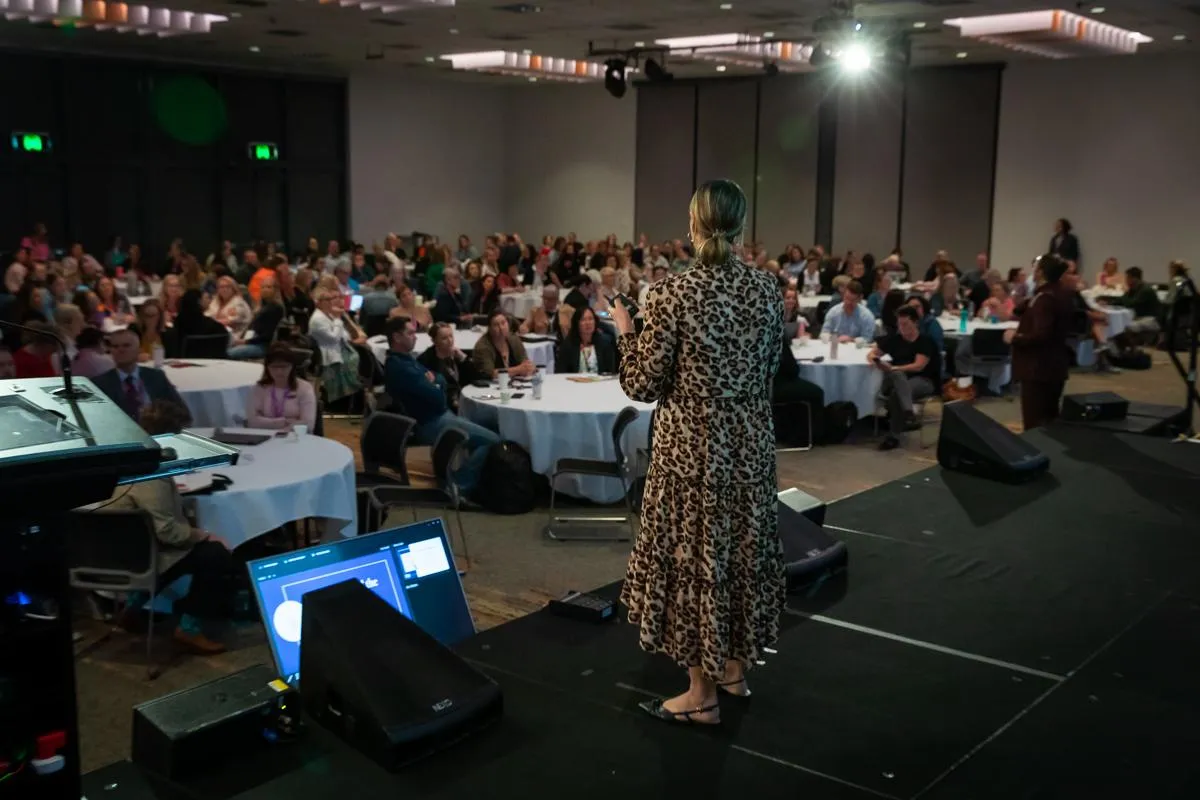
Bring Amy into your next retreat or intensive to facilitate, present, and help your people rethink success and performance.
Living well and working well aren't separate goals.
You don't have to sacrifice who you are to achieve something great.
Meet amy - Futurist.Speaker.author
From wellbeing consultant to cultural strategist
After years building frameworks, programs and a reputation in workplace wellbeing, Amy realised the issue most people and organisations were facing was never just overworking or feeling burnout on a Friday afternoon, it was what they had plugged into. The pace, the pressure, the inherited definitions of success that nobody consciously chose, and the layer of wellbeing as an additional task.
Amy is bringing the next chapter of work/life. It is a methodology, a movement and a realignment for workplaces and people, built on one organising principle: the future of work/life isn't a balancing act, it's designing how they intentionally go together.
Keynote speaker
strategic advisor
Author
podcast host
cultural commentator
This is not another wellness program.
This is not about coping better.
This is about questioning what you plugged into in the first place.
It's time to unplug, rebuild, re-enter.
past organisers & attendees
What People Say
You were very engaging, beautifully spoken and relatable to the audience and have provided much needed insight into the importance of wellbeing in schools. Your knowledge in this space clearly shows.
Working with Amy was a great opportunity for our team. Her insights into wellbeing sparked meaningful discussions and are a positive advancement for our workplace culture. I especially appreciated how Amy emphasised the importance of personal responsibility in managing one's own wellbeing.
Through our work with Amy, we have a common understanding of staff wellbeing which is articulated through our newly created school wellbeing statement. It supports our school culture of compassion, stewardship, excellence and service.





Podcast??

People or Performance? Why We Need Both
People before performance? Let’s slow this down.
This might not be a popular opinion, but it feels important to say.
Lately, I have been seeing a growing number of posts and conversations framed around phrases like:
People before performance
Wellbeing over workload
Relationships before results
Culture before compliance
At face value, these statements feel caring. And to be clear, people do matter. For years, I have been advocating that schools and workplaces must prioritise the wellbeing of the humans who work there.
But here is where we need more nuance.
Focusing on people does not mean abandoning performance, accountability, compliance, or high standards.
When the pendulum swings too far
In many workplaces, particularly schools, the conversation has started to drift into an unhelpful binary. As if we must choose between caring for people or expecting quality work.
That framing creates problems.
Because when performance becomes a dirty word, clarity disappears. Expectations soften. Accountability feels uncomfortable. And ironically, wellbeing often suffers.
Doing your job well, knowing what is expected, and having the conditions to meet those expectations is not separate from wellbeing. It is part of it.
It’s not an “or”. It’s an “and”.
You can care deeply about your people and hold high expectations.
You can prioritise wellbeing and maintain accountability, when that accountability is fair, supported, and responsibility focused.
You can build a supportive culture and still expect excellence.
You can foster psychological safety and have courageous, honest conversations.
You can create flexibility and still insist on clarity, consistency, and follow-through.
This is not about lowering the bar. It is about designing the conditions that allow people to reach it.

Why performance actually matters for wellbeing
When leaders invest in culture, clarity, and capability, people feel safer, more confident, and more grounded in their work.
When expectations are clear, work feels less chaotic.
When systems are well designed, cognitive load reduces.
When roles are understood, energy is used productively rather than defensively.
This is what sustainable wellbeing looks like in practice. Not the absence of challenge, but the presence of support.
Protecting people from burnout is important. Equipping them to do meaningful, high-quality work is just as important.
Perhaps we need to reframe the conversation
Maybe we have swung too far towards the idea that wellbeing means shielding people from pressure altogether.
But pressure is not the same as harm.
The real issue is unmanaged workload, poor systems, unclear expectations, and constant change without support. Not performance itself.
Being able to do your job well, with clarity, purpose, and the right conditions, is wellbeing.
So what does this mean in practice?
It means leaders stop asking, “People or performance?”
And start asking, “How do we design workplaces where both can thrive?”
That is the real work.
Would you like to leave me a comment?
Follow this link to my Linkedin post and share with how thoughts.
If this conversation resonates, you can subscribe to the newsletter for grounded reflections on wellbeing, leadership, and work design that actually works.

want to speak wtih amy?
Book Here
the old model isn't working
We've done everything right.
We're working harder than ever.
We're still exhausted.
It's time to UNPLUG

View our Privacy Policy and Terms and Conditions here.
© The Wellness Strategy 2026. All Rights Reserved.


