amy green
The Future of Work/Life
Success that sustains. Performance that lasts. People who are well.
be the first to know
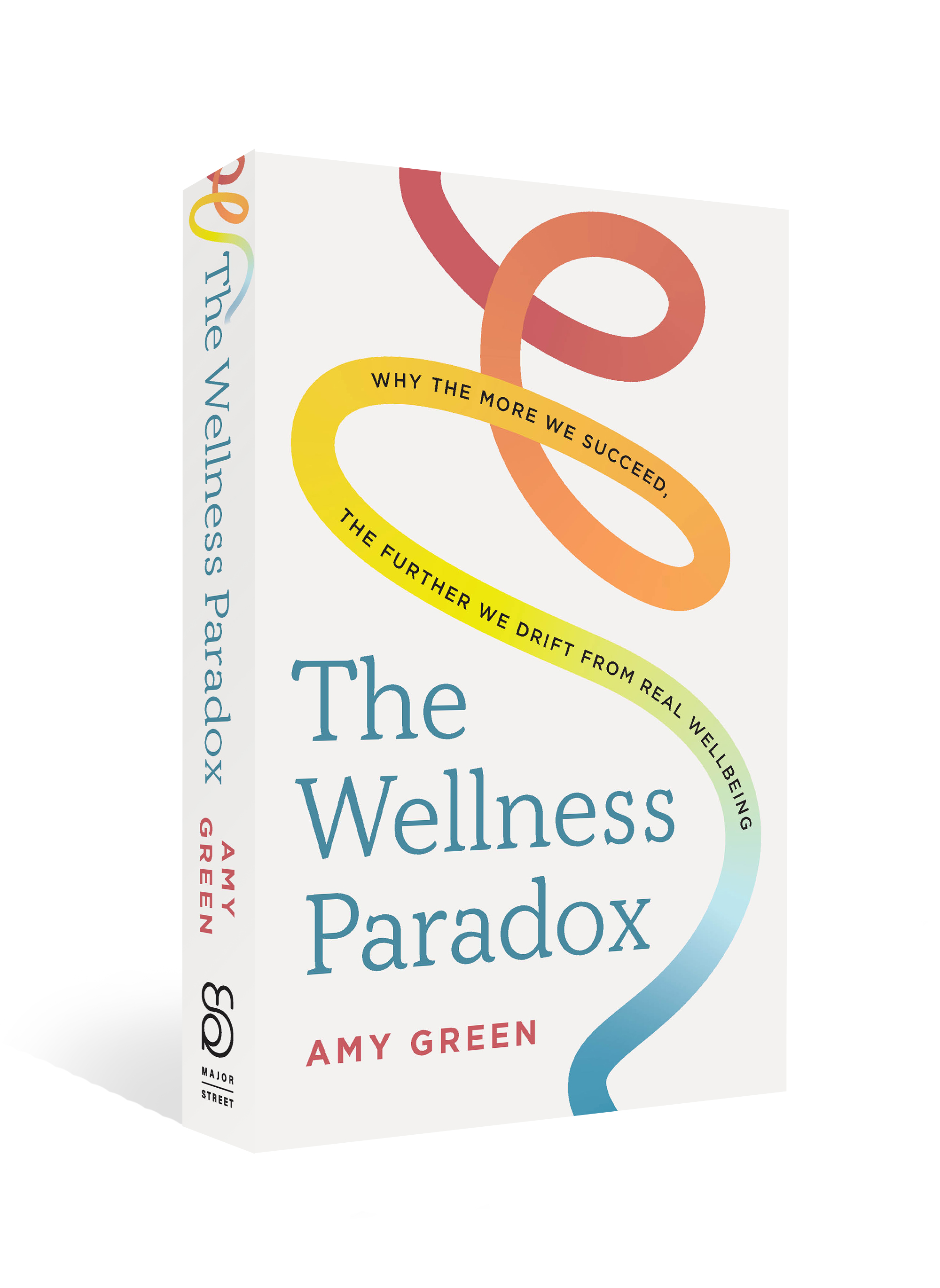
COMING JUNE 30TH
A reflective exploration of modern success and its hidden costs.
Work With Us
Speaking
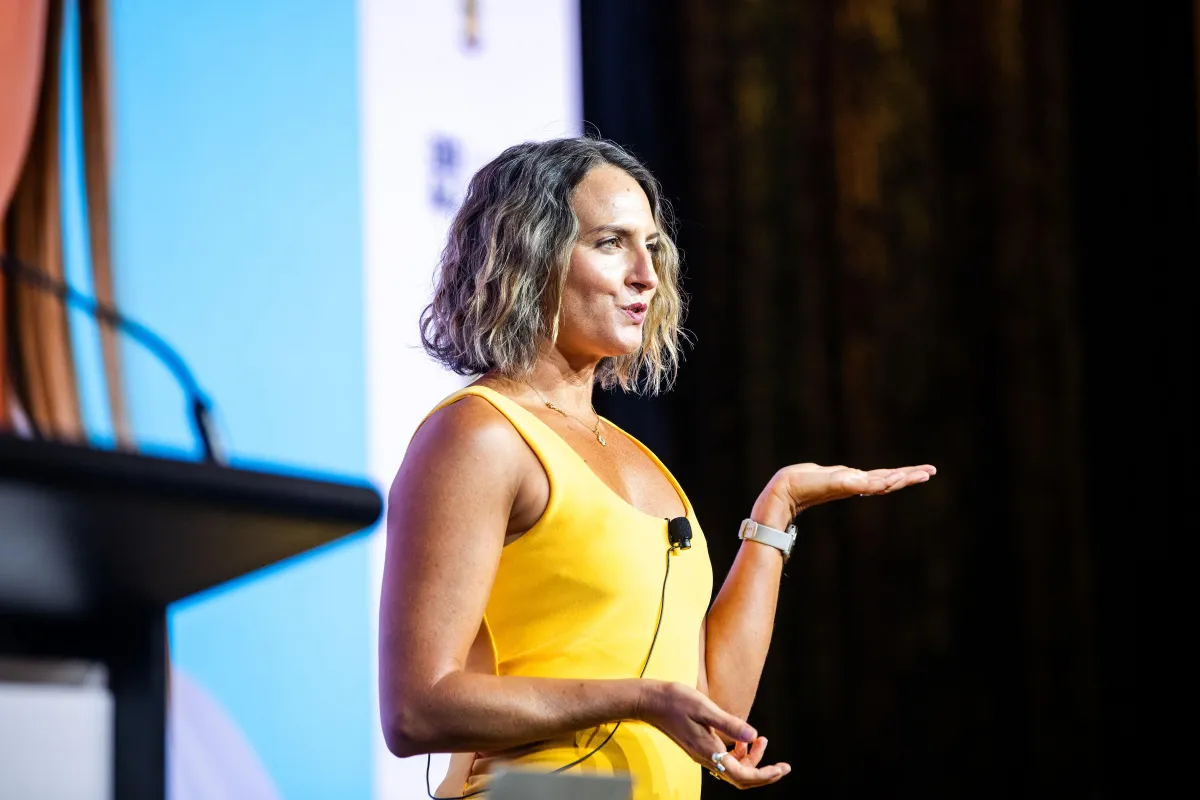
Signature keynotes to inspire and motivate, workshops and facilitation to develop insights and action that imapct how we live and work.
Strategic Advisory

Co-design the future of work/ life with us. Unplug from inherited systems and rebuild what actually works. Bespoke advisory for your workpalce.
Retreats & Intensives
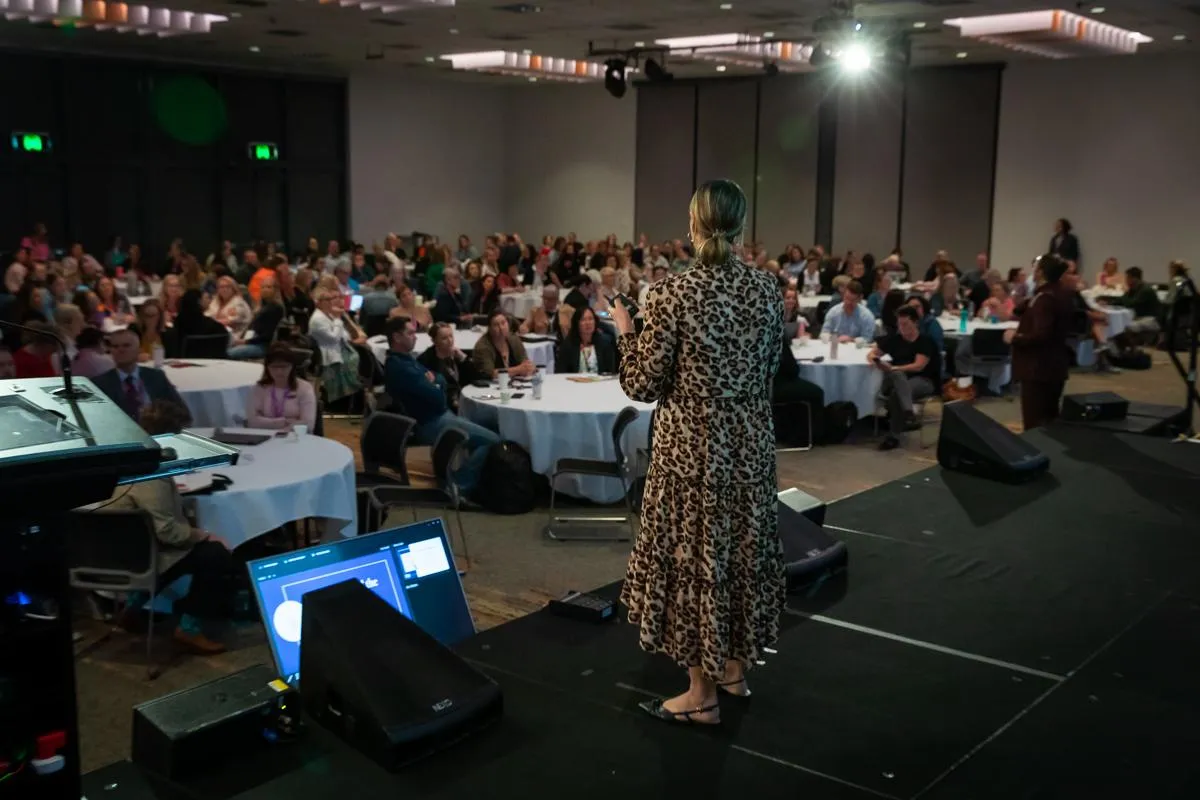
Bring Amy into your next retreat or intensive to facilitate, present, and help your people rethink success and performance.
Living well and working well aren't separate goals.
You don't have to sacrifice who you are to achieve something great.
Meet amy - Futurist.Speaker.author
From wellbeing consultant to cultural strategist
After years building frameworks, programs and a reputation in workplace wellbeing, Amy realised the issue most people and organisations were facing was never just overworking or feeling burnout on a Friday afternoon, it was what they had plugged into. The pace, the pressure, the inherited definitions of success that nobody consciously chose, and the layer of wellbeing as an additional task.
Amy is bringing the next chapter of work/life. It is a methodology, a movement and a realignment for workplaces and people, built on one organising principle: the future of work/life isn't a balancing act, it's designing how they intentionally go together.
Keynote speaker
strategic advisor
Author
podcast host
cultural commentator
This is not another wellness program.
This is not about coping better.
This is about questioning what you plugged into in the first place.
It's time to unplug, rebuild, re-enter.
past organisers & attendees
What People Say
You were very engaging, beautifully spoken and relatable to the audience and have provided much needed insight into the importance of wellbeing in schools. Your knowledge in this space clearly shows.
Working with Amy was a great opportunity for our team. Her insights into wellbeing sparked meaningful discussions and are a positive advancement for our workplace culture. I especially appreciated how Amy emphasised the importance of personal responsibility in managing one's own wellbeing.
Through our work with Amy, we have a common understanding of staff wellbeing which is articulated through our newly created school wellbeing statement. It supports our school culture of compassion, stewardship, excellence and service.




Podcast??
We Talk About How to Teach, But Forget What We Teach
We’ve been talking a lot about how we teach
Pedagogy is everywhere right now.
Direct instruction. Explicit teaching. Inquiry learning. Project based learning.
The conversations are constant and often conflicting.
But in the middle of all this focus on how, we’ve quietly lost sight of something essential.
The what.
Our curriculum.
What we are actually meant to teach.
The curriculum swing we rarely name
Just like pedagogy, curriculum has experienced its own swing.
At one end, curriculum becomes loose and unclear. Learning is happening, often in rich and engaging ways, but educators are unsure how it connects back to curriculum requirements. Achievement standards and content descriptors feel distant or fuzzy, something we know exists but don’t always anchor to.
At the other end, curriculum turns into a checklist. Everything must be covered. Pace becomes the priority. There’s little space to stop, respond to student need, or question whether learning is actually landing. The belief becomes that more content equals better outcomes.
Neither extreme serves teachers or students well.
When clarity disappears, workload grows
Before I stepped fully into supporting educator wellbeing, my work across leadership roles centred on bringing curriculum and pedagogy back together.
That work sat firmly on two foundations from the Australian Institute for Teacher and School Leadership standards:
Know your students and how they learn.
Know the content and how to teach it.
Right now, many schools have drifted from how these two elements work together. And when that happens, it doesn’t just affect learning. It affects workload, confidence, and wellbeing.
When educators aren’t clear on what they are teaching, everything takes longer. Planning feels heavier. Decision making becomes exhausting. Doubt creeps in.

Questions worth asking, without judgement
This isn’t about blame. It’s about checking for understanding.
Some useful questions for schools and leadership teams include:
Do educators know how to sequence and map the curriculum?
Do they understand what achievement standards and content descriptors actually mean?
Can they explain what these look like in their own classroom?
Do they know how daily lessons link back to outcomes?
Are units intentionally designed to build towards a clear outcome?
How often are teams engaging with the curriculum itself, not just resources?
If the answer to some of these is no, that’s not a failure. It’s information.
Curriculum is a wellbeing issue
This is where my work has evolved.
When we talk about workload, we must also talk about competence, autonomy, and mastery. Educators feel better, and work more sustainably, when they understand both how they teach and what they are teaching.
Curriculum clarity reduces cognitive load.
It strengthens professional confidence.
It supports better planning, collaboration, and decision making.
Wellbeing doesn’t sit outside this work. It grows from it.
What this means for schools
The way forward isn’t another program or resource.
It’s building educator capacity around curriculum understanding, sequencing, and design. It’s creating shared clarity so teachers aren’t carrying the thinking alone. It’s designing systems that support consistency without rigidity.
This is where much of my work now sits, especially in strategic improvement days with educators, teams, and leadership. It’s also a strong signal of where this work is heading in 2026.
Not away from wellbeing, but deeper into the foundations that make wellbeing possible.
You can find more here about my current programs I am offering schools.

want to speak wtih amy?
Book Here
the old model isn't working
We've done everything right.
We're working harder than ever.
We're still exhausted.
It's time to UNPLUG
View our Privacy Policy and Terms and Conditions here.
© The Wellness Strategy 2026. All Rights Reserved.


