amy green
The Future of Work/Life
Success that sustains. Performance that lasts. People who are well.
be the first to know
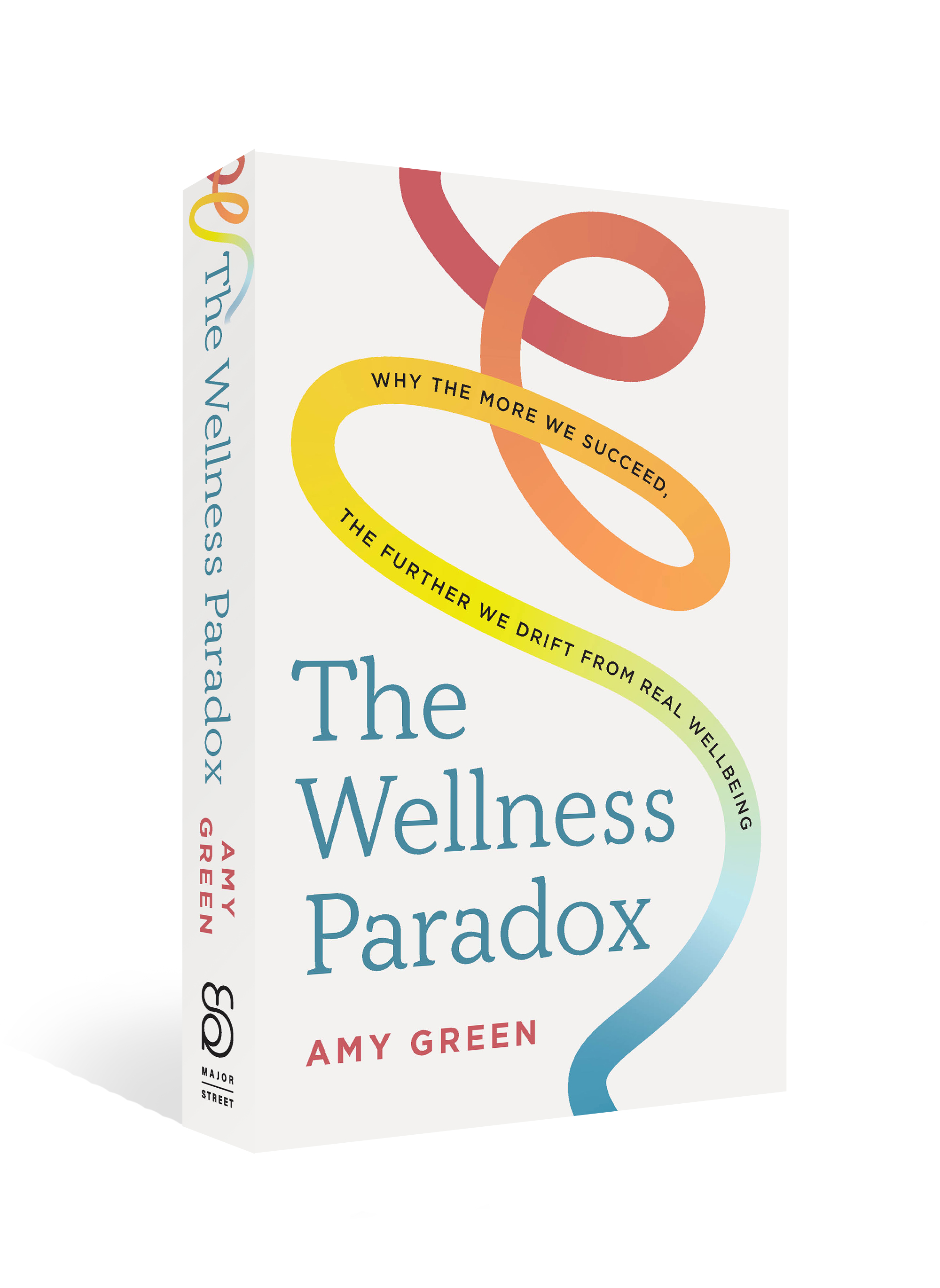
COMING JUNE 30TH
A reflective exploration of modern success and its hidden costs.
Work With Us
Speaking

Signature keynotes to inspire and motivate, workshops and facilitation to develop insights and action that imapct how we live and work.
Strategic Advisory

Co-design the future of work/ life with us. Unplug from inherited systems and rebuild what actually works. Bespoke advisory for your workpalce.
Retreats & Intensives
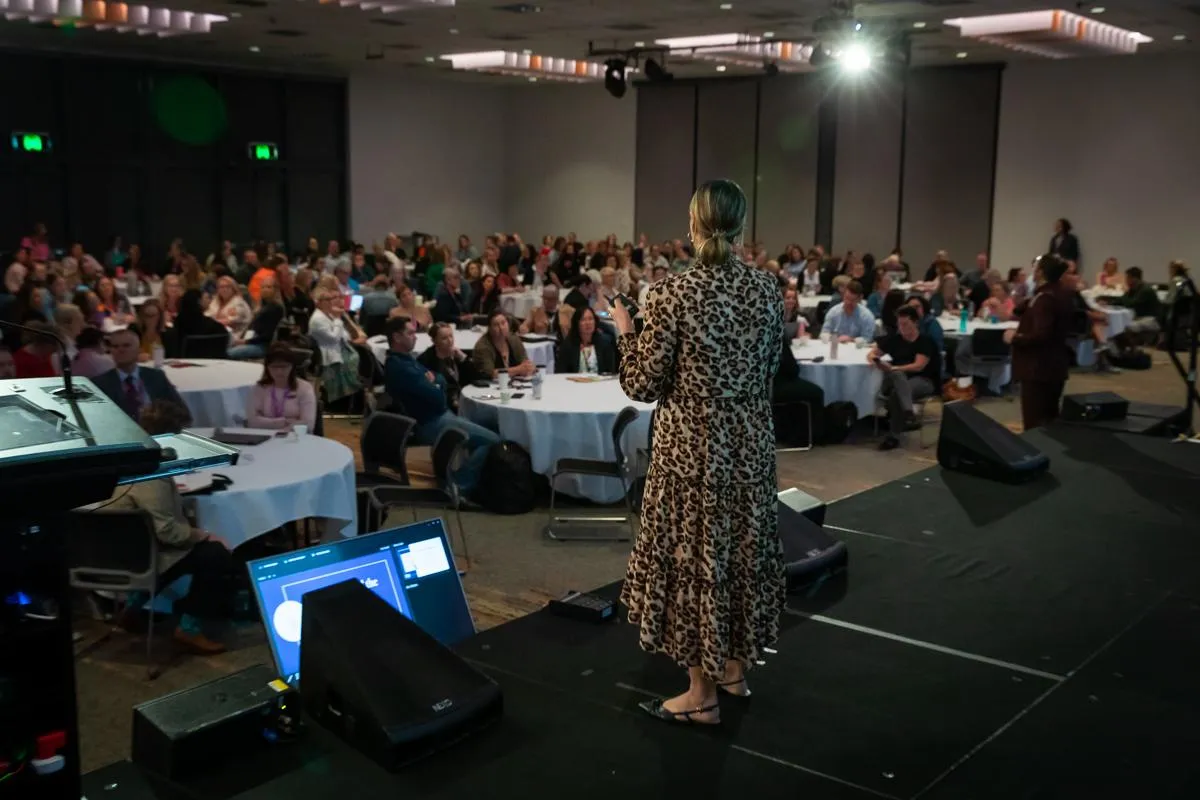
Bring Amy into your next retreat or intensive to facilitate, present, and help your people rethink success and performance.
Living well and working well aren't separate goals.
You don't have to sacrifice who you are to achieve something great.
Meet amy - Futurist.Speaker.author
From wellbeing consultant to cultural strategist
After years building frameworks, programs and a reputation in workplace wellbeing, Amy realised the issue most people and organisations were facing was never just overworking or feeling burnout on a Friday afternoon, it was what they had plugged into. The pace, the pressure, the inherited definitions of success that nobody consciously chose, and the layer of wellbeing as an additional task.
Amy is bringing the next chapter of work/life. It is a methodology, a movement and a realignment for workplaces and people, built on one organising principle: the future of work/life isn't a balancing act, it's designing how they intentionally go together.
Keynote speaker
strategic advisor
Author
podcast host
cultural commentator
This is not another wellness program.
This is not about coping better.
This is about questioning what you plugged into in the first place.
It's time to unplug, rebuild, re-enter.
past organisers & attendees
What People Say
You were very engaging, beautifully spoken and relatable to the audience and have provided much needed insight into the importance of wellbeing in schools. Your knowledge in this space clearly shows.
Working with Amy was a great opportunity for our team. Her insights into wellbeing sparked meaningful discussions and are a positive advancement for our workplace culture. I especially appreciated how Amy emphasised the importance of personal responsibility in managing one's own wellbeing.
Through our work with Amy, we have a common understanding of staff wellbeing which is articulated through our newly created school wellbeing statement. It supports our school culture of compassion, stewardship, excellence and service.





Podcast??

How Well Are You Really Using Staff Voice?
Listening to staff voice is often spoken about as a priority in schools.
Doing it well is far less common.
Across many settings, staff voice is gathered through surveys, check ins, or feedback processes that ask people how they are feeling, but offer little confidence that what is shared will lead to meaningful change. Over time, this creates hesitation, guarded responses, and a quiet withdrawal from honest conversation.
When staff voice stops feeling safe
The issue is not that educators are unwilling to share.
It is that many have shared before.
Staff often describe experiences where they have been asked for feedback, only to see minimal follow through, vague action plans, or initiatives that miss the mark of what actually makes their work harder or easier. When this happens repeatedly, trust erodes. Engagement drops. People learn to say less.
This creates a growing gap between what leaders believe is happening and what staff are actually experiencing day to day. It is in this gap that frustration builds, workload pressure intensifies, and wellbeing concerns quietly take hold.
Why surface level feedback is not enough
Staff wellbeing is shaped far more by conditions than by individual strategies.
Things like workload, role clarity, communication, expectations, and decision making processes influence how people feel at work far more than morning teas or wellbeing initiatives ever could. Yet these deeper drivers are often missed when staff voice is reduced to metrics or quick pulse surveys.
Understanding wellbeing requires depth. It requires listening for patterns, themes, and lived experience, not just collecting scores or comments in isolation.
A different approach to staff voice
Beneath the Surface was designed to address this exact challenge.
It supports schools to capture staff voice in a way that is thoughtful, respectful, and grounded in trust. The focus is not on collecting more data, but on creating a process where staff feel safe to share what is really happening in their work, their workload, and their experience of the school environment.
This approach prioritises qualitative insight. It looks beneath surface level responses to understand what is supporting staff wellbeing and what is undermining it, so leadership teams can move beyond assumptions and anecdote.

From listening to action
Schools engaging in Beneath the Surface receive a detailed report that does more than summarise feedback.
The report:
Identifies key themes and patterns across staff experience
Highlights priority areas where change will make the greatest difference
Clarifies what is within a school’s control to influence
Supports leaders to move from insight to practical, realistic action
This helps leadership teams make informed decisions with clarity, rather than reacting to noise or trying to fix everything at once.
So what does this mean?
Staff wellbeing cannot be improved without understanding the conditions people are working within.
When staff voice is captured with care and used with intention, it becomes one of the most powerful tools a school has to improve culture, reduce frustration, and rebuild trust. It creates alignment between leadership perspective and lived experience, and provides a clear starting point for meaningful change.
This work is not about judgement or audit. It is about seeing clearly.
Progress does not require perfection, it requires understanding.
A considered starting point
If your school is serious about improving staff wellbeing, but unsure where to start, or if you sense there are underlying issues not being captured through existing processes, Beneath the Surface offers a respectful and practical entry point.
It creates the conditions for honest dialogue, informed decision making, and change that staff can see and feel in their everyday work.
Staff voice matters.
But only when it is listened to well, and acted on with purpose.
If you would like to explore how Beneath the Surface can support your school to capture staff voice in a way that builds trust and informs real change, learn more about the process or reach out and contact Amy to find out if it is right for your school.

want to speak wtih amy?
Book Here
the old model isn't working
We've done everything right.
We're working harder than ever.
We're still exhausted.
It's time to UNPLUG

View our Privacy Policy and Terms and Conditions here.
© The Wellness Strategy 2026. All Rights Reserved.


