
amy green
The Future of Work/Life
Success that sustains. Performance that lasts. People who are well.
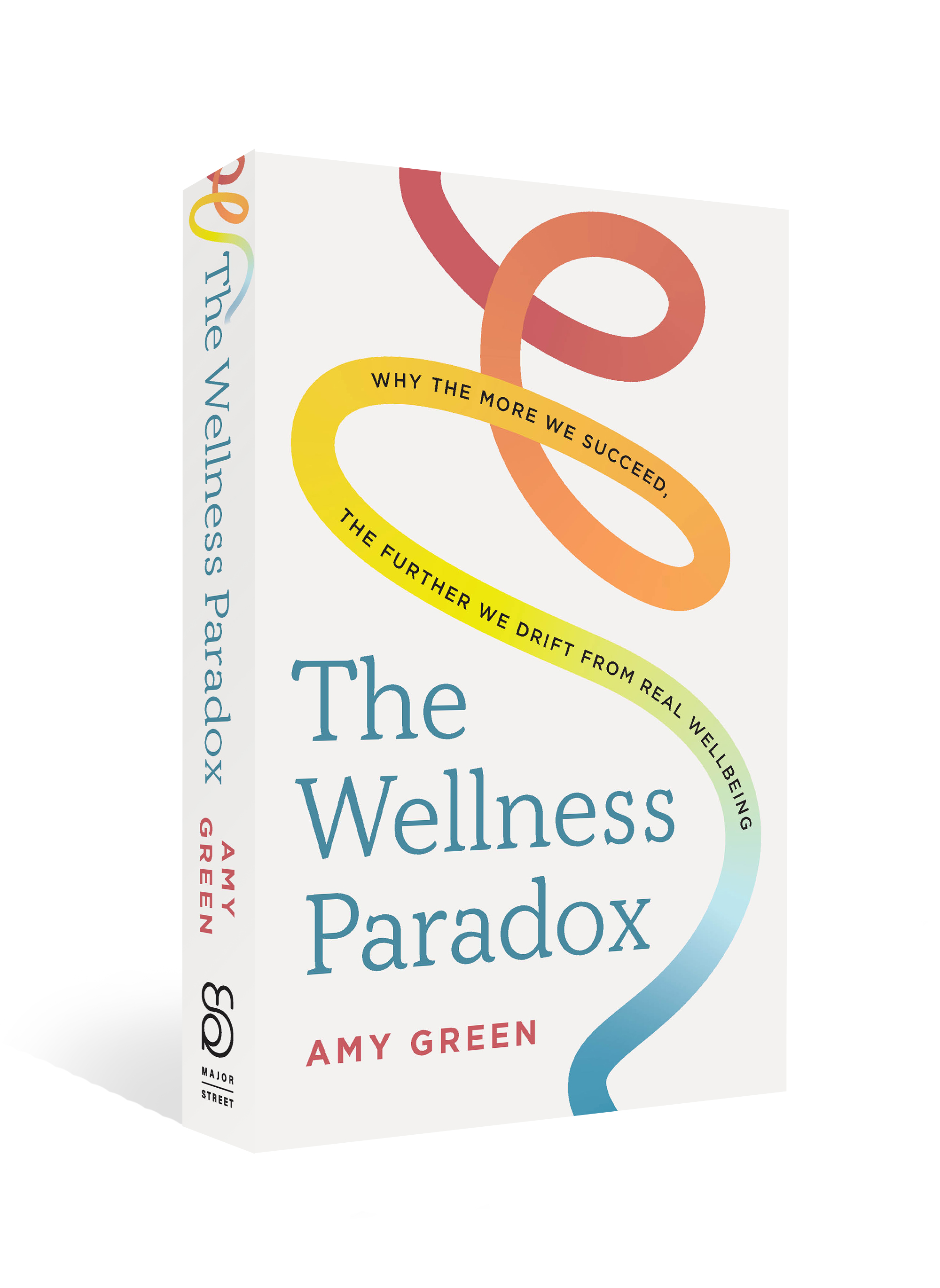
be the first to know
COMING JUNE 30TH
A reflective exploration of modern success and its hidden costs.
Work With Us
Speaking

Signature keynotes to inspire and motivate, workshops and facilitation to develop insights and action that imapct how we live and work.
Strategic Advisory

Co-design the future of work/ life with us. Unplug from inherited systems and rebuild what actually works. Bespoke advisory for your workpalce.
Retreats & Intensives
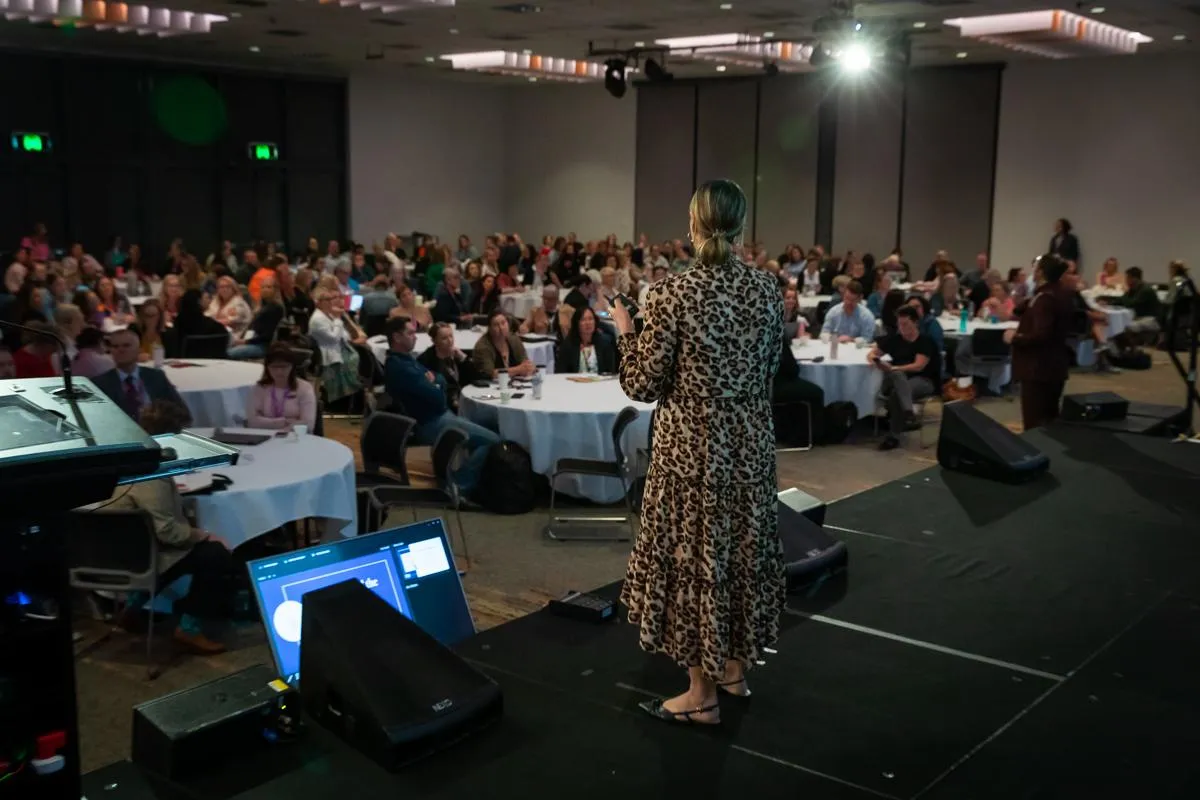
Bring Amy into your next retreat or intensive to facilitate, present, and help your people rethink success and performance.
Living well and working well aren't separate goals.
You don't have to sacrifice who you are to achieve something great.
Meet amy - Futurist.Speaker.author
From wellbeing consultant to cultural strategist
After years building frameworks, programs and a reputation in workplace wellbeing, Amy realised the issue most people and organisations were facing was never just overworking or feeling burnout on a Friday afternoon, it was what they had plugged into. The pace, the pressure, the inherited definitions of success that nobody consciously chose, and the layer of wellbeing as an additional task.
Amy is bringing the next chapter of work/life. It is a methodology, a movement and a realignment for workplaces and people, built on one organising principle: the future of work/life isn't a balancing act, it's designing how they intentionally go together.
Keynote speaker
strategic advisor
Author
podcast host
cultural commentator
This is not another wellness program.
This is not about coping better.
This is about questioning what you plugged into in the first place.
It's time to unplug, rebuild, re-enter.
past organisers & attendees
What People Say
You were very engaging, beautifully spoken and relatable to the audience and have provided much needed insight into the importance of wellbeing in schools. Your knowledge in this space clearly shows.
Working with Amy was a great opportunity for our team. Her insights into wellbeing sparked meaningful discussions and are a positive advancement for our workplace culture. I especially appreciated how Amy emphasised the importance of personal responsibility in managing one's own wellbeing.
Through our work with Amy, we have a common understanding of staff wellbeing which is articulated through our newly created school wellbeing statement. It supports our school culture of compassion, stewardship, excellence and service.





Podcast??

Are You Asking the Wrong Question About Workplace Stress?
You have probably answered the question yourself.
“How stressed do you feel right now? Rate from 1 to 10.”
It appears in almost every engagement, satisfaction, or wellbeing survey. It feels reasonable. Stress is real. Burnout is rising. Organisations want data.
But here is the uncomfortable truth. This question often produces noise, not insight.
Stress Is Subjective. Stress Is Everywhere.
Workplace stress does not arrive neatly labelled.
A staff member rating their stress as a three might be navigating a difficult relationship at home. A health concern. Financial pressure. Or a breakdown in team communication. Or all of the above.
A single number does not tell you what is driving that stress. And when it comes to designing healthier workplaces, causation matters more than the score itself.
This is not an argument against measuring workplace stress.
It is an argument for measuring it better.
The Problem With Generic Stress Surveys
When organisations rely on broad stress ratings, they risk misinterpreting the data.
If stress scores are high, leaders often respond with visible, well-intentioned initiatives:
Counselling services
Resilience workshops
Mindfulness apps
Wellness days
These are not inherently wrong. But they are often responses to symptoms rather than causes.
When your data is vague, your solutions will be vague too.
And vague solutions rarely reduce burnout.
The Question You Should Be Asking Instead
If your goal is to understand workplace stress specifically, your questions need boundaries.
Instead of asking, “How stressed do you feel right now?”, consider asking:
How stressed are you finding work right now?
How much is your workplace environment contributing to your current stress levels?
To what extent is work the primary driver of stress in your life right now?
These questions do something subtle but powerful. They clarify that the data is about work, not life in general.
That distinction changes everything about how actionable your data becomes.

Then Go Deeper
Once you establish that workplace stress is present, the next step is understanding where it comes from.
An open-ended response is valuable. It gives people voice. It surfaces nuance.
But structured options also help identify patterns quickly.
You might ask:
What areas are contributing most to your workplace stress? Select your top three:
Communication breakdowns
Working relationships with colleagues or leadership
Inconsistency in processes or expectations
Work intensification and competing priorities
Unclear role boundaries or responsibilities
Other
This layered approach, targeted scale question, followed by category identification, followed by open response, creates clarity that a single number never could.
Why This Matters for Leaders
When stress data lacks precision, leadership decisions lack precision.
This is where many organisations unintentionally stall. They want to improve staff wellbeing. They invest in programs. They communicate care. Yet the underlying friction remains untouched because it was never clearly identified.
Workplace stress is often structural. It lives in:
Systems and workflow
Role clarity
Competing priorities
Decision-making processes
Communication norms
Without identifying which of these are contributing, leaders cannot design meaningful change.
Designing Workplaces With Intent
If we are serious about reducing workplace stress, we have to move beyond surface-level metrics.
This is the work of thoughtful organisational design. It is about asking sharper questions. Gathering better intelligence. Responding with structural adjustments rather than reactive fixes.
This is the difference between good intentions and strategic clarity.
At The Wellness Strategy, this is exactly what we support organisations to do. Through services such as Staff Wellbeing by Design, Beneath the Surface, and longer-term partnerships like Thriving Schools, we help leaders move beyond generalised survey data and uncover what is actually driving workplace stress. From there, we co-design systems and frameworks that support people to function well, not just cope better.
Because the question you ask shapes the answer you get.
And the answer you get shapes the workplace you build.

What This Means
If you lead a team, design surveys, or influence HR strategy, pause before sending your next wellbeing questionnaire.
Ask yourself:
Does this question help us understand causation?
Will the data clearly point us toward action?
Are we measuring what we can actually influence?
Small changes in language can create significant shifts in insight.
Precision matters.
Workplace stress is not going away. But how we measure and respond to it can change. When we ask better questions, we create better workplaces.
If you are ready to rethink how your organisation measures and responds to workplace stress, explore how The Wellness Strategy can support you through Staff Wellbeing by Design or Beneath the Surface.
Ready to Prioritise Wellbeing in Your Workplace?
At The Wellness Strategy, we help schools, businesses, and organisations create impactful and sustainable wellbeing strategies that foster thriving, productive environments.
💡 Explore More Resources: Visit our Resources & Blog page
🎙️ Book Amy as a Speaker: Learn more
👩💻 Ways to Work with Amy: Programs, Workshops & more
🛒 Shop Wellbeing Tools: Browse products
📩 Stay Updated: Sign up for our newsletter
Connect with us on LinkedIn | Instagram | Facebook | Podcast
Email us at [email protected]

want to speak wtih amy?
Book Here
the old model isn't working
We've done everything right.
We're working harder than ever.
We're still exhausted.
It's time to UNPLUG

View our Privacy Policy and Terms and Conditions here.
© The Wellness Strategy 2026. All Rights Reserved.


