
amy green
The Future of Work/Life
Success that sustains. Performance that lasts. People who are well.
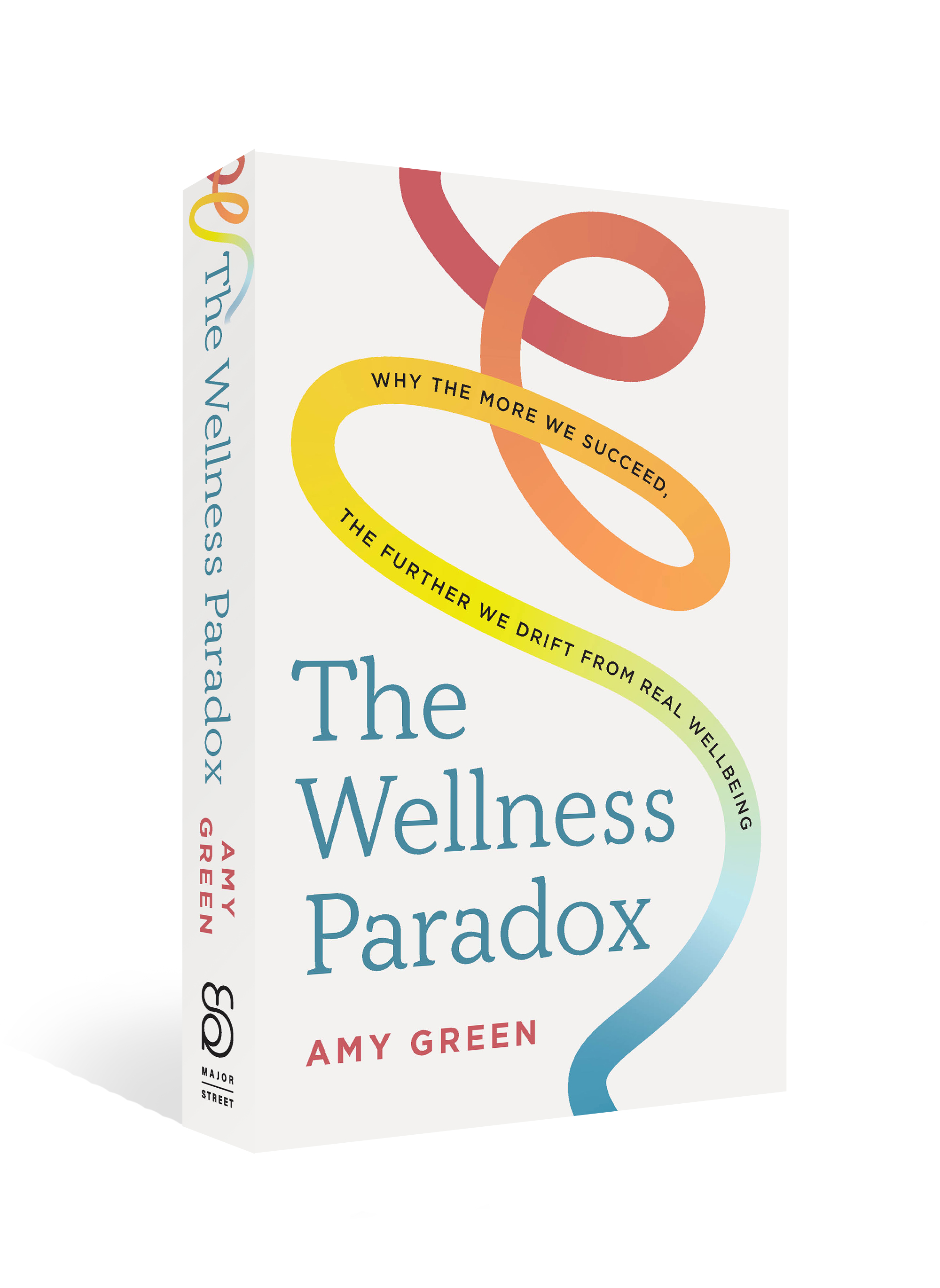
be the first to know
COMING JUNE 30TH
A reflective exploration of modern success and its hidden costs.
Work With Us
Speaking
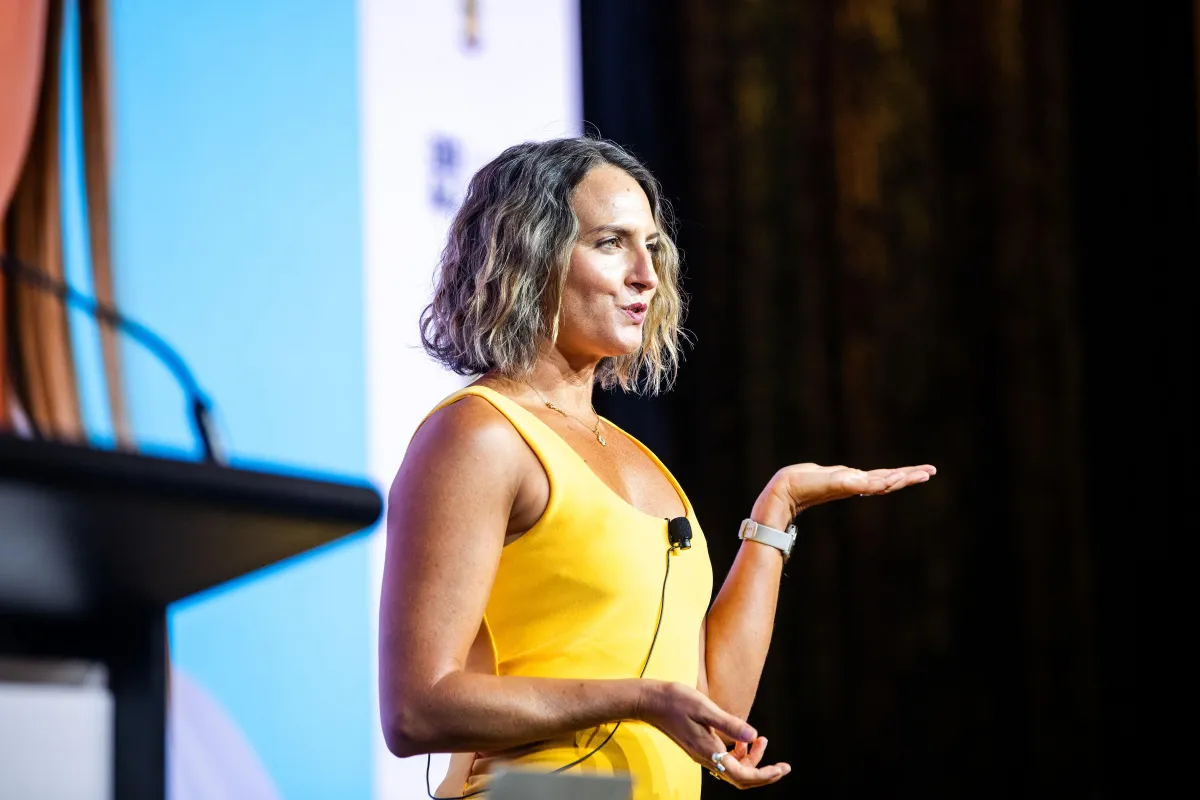
Signature keynotes to inspire and motivate, workshops and facilitation to develop insights and action that imapct how we live and work.
Strategic Advisory

Co-design the future of work/ life with us. Unplug from inherited systems and rebuild what actually works. Bespoke advisory for your workpalce.
Retreats & Intensives
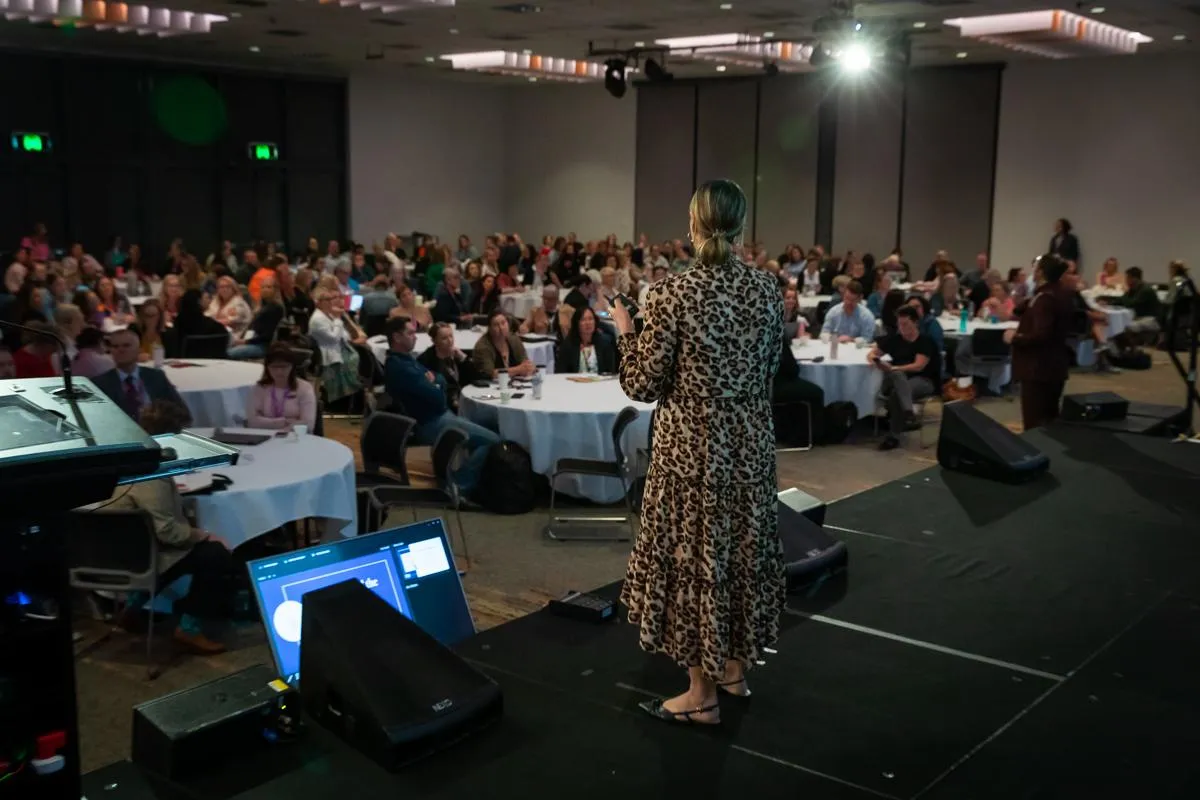
Bring Amy into your next retreat or intensive to facilitate, present, and help your people rethink success and performance.
Living well and working well aren't separate goals.
You don't have to sacrifice who you are to achieve something great.
Meet amy - Futurist.Speaker.author
From wellbeing consultant to cultural strategist
After years building frameworks, programs and a reputation in workplace wellbeing, Amy realised the issue most people and organisations were facing was never just overworking or feeling burnout on a Friday afternoon, it was what they had plugged into. The pace, the pressure, the inherited definitions of success that nobody consciously chose, and the layer of wellbeing as an additional task.
Amy is bringing the next chapter of work/life. It is a methodology, a movement and a realignment for workplaces and people, built on one organising principle: the future of work/life isn't a balancing act, it's designing how they intentionally go together.
Keynote speaker
strategic advisor
Author
podcast host
cultural commentator
This is not another wellness program.
This is not about coping better.
This is about questioning what you plugged into in the first place.
It's time to unplug, rebuild, re-enter.
past organisers & attendees
What People Say
You were very engaging, beautifully spoken and relatable to the audience and have provided much needed insight into the importance of wellbeing in schools. Your knowledge in this space clearly shows.
Working with Amy was a great opportunity for our team. Her insights into wellbeing sparked meaningful discussions and are a positive advancement for our workplace culture. I especially appreciated how Amy emphasised the importance of personal responsibility in managing one's own wellbeing.
Through our work with Amy, we have a common understanding of staff wellbeing which is articulated through our newly created school wellbeing statement. It supports our school culture of compassion, stewardship, excellence and service.





Podcast??

What Teachers Actually Want to Support Their Wellbeing
I get asked this question a lot.
What do teachers actually want to support their wellbeing?
Over the past few years, I’ve spoken with more than a thousand educators and asked them this exact thing. Their answer is often unexpected, especially for those outside the profession.
It’s not more morning teas.
It’s not wellbeing posters or one off initiatives.
And it’s not even less work, at least not in the way people assume.
What teachers consistently ask for is something far more specific.
Teachers want support to do their work well
One of the strongest themes that continues to emerge is this. Teachers want structured, supported and guided opportunities to work together.
They want time and support to collaborate, to plan lessons, to review units of work, to deeply understand the curriculum, and to have someone walk alongside them as they do it. Someone who can model the process, ask good questions, and help them make sense of what quality practice actually looks like in their own context.
What they are really seeking is clarity.
Clarity about what matters most.
Clarity about what good looks like.
Clarity that reassures them they are on the right track.
This sits right at the top for educators because it directly affects their ability to do their job well. And that matters deeply to people who care about their work.
This is a wellbeing issue, not just a workload issue
When teachers talk about this need, they are describing something closely aligned with self determination theory.
Wellbeing is supported when people experience:
Autonomy, the ability to make informed decisions about how they teach and support their students
Competence, the confidence that comes from building knowledge, skill and expertise
Relatedness, the sense of connection that grows when people work together, learn together and solve problems together
When these conditions are present, people function better. They feel more confident, more capable, and more settled in their work.
When they are missing, stress rises quickly.

Where things often break down
One of the biggest barriers teachers raise, particularly in schools focusing on explicit teaching, is uncertainty.
Many educators have attended a one day professional learning session or been given a set of expectations, but no one has slowed the process down. No one has walked them through the steps. No one has modelled the thinking, unpacked the planning process, or supported them to apply it within their own classroom and curriculum.
Without that guidance, teachers are left to figure it out alone.
The Band Aid solutions teachers are relying on
What often happens next is understandable.
Teachers turn to online platforms, paid subscriptions, downloaded lesson plans, ready made units, and pre built PowerPoints. They do this because they want to do a good job and they are trying to cope.
But while these resources might help them get through the week, they do not build capability, confidence or expertise. They don’t create shared understanding or consistent practice. And they don’t reduce the underlying stress long term.
They are a Band Aid solution to a much bigger systems problem.
So what does this mean for schools and leaders?
If we genuinely value educators and want to support their wellbeing, this is one of the most important areas to get right.
Wellbeing does not sit separately from curriculum, planning, and teaching practice. It is shaped by how clear the work is, how supported people feel to do it well, and whether they are developing confidence rather than constantly second guessing themselves.
When schools invest in structured collaboration, guided planning processes, and capability building, wellbeing becomes a natural outcome. Not another thing to add to the list, but something embedded in the way work is designed.
Across all of the conversations I’ve had with educators, this finding continues to stand out the most.
Teachers want to do their work well.
They want to feel confident and capable.
And they want to do it together, with support.
When we get this right, we don’t just improve wellbeing. We strengthen practice, culture, and sustainability across the whole school.
If this resonates, this is exactly the space my work sits in. Through Curriculum for Excellence, Staff Wellbeing by Design, and longer term Thriving Schools partnerships, I support schools to build clarity, strengthen systems, and design ways of working that genuinely support both wellbeing and high quality practice.
You can explore these services and resources at
https://thewellnessstrategy.com.au/

want to speak wtih amy?
Book Here
the old model isn't working
We've done everything right.
We're working harder than ever.
We're still exhausted.
It's time to UNPLUG

View our Privacy Policy and Terms and Conditions here.
© The Wellness Strategy 2026. All Rights Reserved.


