
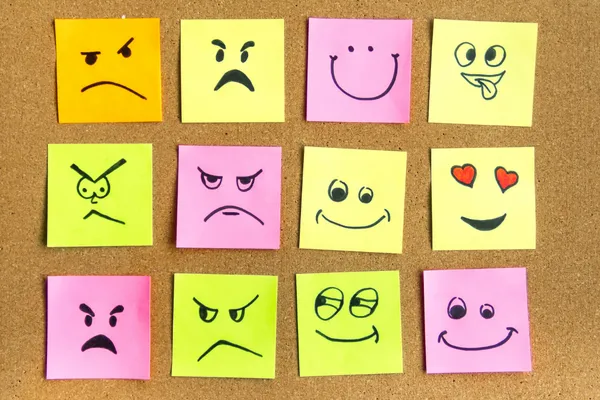
Your Morning Tea Spread Isn't a Wellbeing Strategy
Perks Are Not Conditions
Your workplace can host the best morning tea in the building and people will still be stressed and overwhelmed and slowly checking out, and it won't be because they're ungrateful, it'll be because the morning tea was never the point.
What the emotions showing up at work are actually telling you
Stress, overwhelm, disengagement, and burnout were never character flaws, they aren't signs that someone isn't trying hard enough or simply needs a better attitude, they're signals, and like all signals they're pointing at something that's worth paying attention to.
The trouble is that most workplaces are still far more comfortable treating the symptom than reading the signal, so we bring in the coffee van, schedule the team lunch, book the yoga class, and hope that people will feel seen and supported as a result. But they don't, because the signal is still sitting there underneath the nice gesture, waiting to actually be understood.
"We can't continue to try and solve workload issues with nice, fluffy feel goods. I don't care how good your downward dog is. It's not going to clean up your inbox and get those tasks completed or help you meet deadlines." — Amy Green
The emotions showing up across your workplace were never a wellbeing problem to be patched over, they're information about how your people are actually experiencing their work. Until we're willing to read that information honestly, nothing fundamental really changes, not the burnout, not the disengagement, and not the slow erosion of trust that happens when people sense that the response to their struggle is a slice of cake and a meditation app.
Feeling well and working well were never meant to be separate
I've sat in enough workplaces to know that most leaders truly do want their people to be well.The morning tea comes from a real place of wanting to help and the intention behind it is good. What's missing was never the care, it's the understanding that perks and conditions are not the same thing.
Wellbeing was never a Friday afternoon initiative, an annual survey or a section tucked into the induction pack, it's woven through the way the work itself, is designed intentioanlly, and it's the way people are led, the way teams communicate and the way expectations get set, held, and reviewed.
"We haven't allowed ourselves to understand the overlap. Wellbeing sits here, work sits here. They are not separate. They are very much an intertwined piece of how we support people to perform well and feel well, to work well and team well, to lead well and do their job well." — Amy Green
When we draw a hard line between work and wellbeing, we create a situation where people are simply expected to push through it, to cope, to absorb whatever the conditions happen to be and perform anyway, and then we turn around and wonder why they're disengaged and why they're burning out and why the very best people keep leaving.
High performance and real wellbeing were never mutually exclusive, and the workplaces that actually understand this aren't only nicer places to spend your days, they're the ones people choose to stay in.
What people actually need from their workplace
It isn't complicated, even if it does ask rather more of leaders than ordering a fruit platter. People need to feel that their workload is fair. They want their efforts to be noticed. They should be able to talk honestly about how they are doing without fear of punishment later. The place where they spend most of their time should help them, not just take from them.
None of that requires a budget line for wellness perks, it requires leaders willing to look honestly at the conditions they've built, and not merely at the initiatives they've layered on top of them.
The emotions showing up at work were never the problem; they're the feedback, and the leaders and organisations willing to actually listen to that feedback rather than paper over it are the ones building something people want to be part of.
Feeling well and working well were never meant to be separate things, and I think the workplaces that finally stop treating them as though they are will be exactly the ones people want to stay in, contribute to, and do their best work inside.
The Wellness Paradox — available now
The Wellness Paradox explores the six paradoxes that keep us trapped in a version of success that was never designed to make us well. It's not a checklist, and it's not another self-care plan. It's an honest look at the systems we've inherited, and an invitation to start living differently.
It's for anyone who is tired of being told to do more.
Book orders → Direct from Author ▪ Amazon.com
About Amy Green
Amy Green is a futurist, keynote speaker, and author of The Wellness Paradox. She is the founder of The Wellness Strategy and has spent years studying the intersection of how we work, how we live, and the systems that shape both. Her work reaches educators, executives, and leaders who are ready to think differently about what success really means.
Website · LinkedIn · Instagram · YouTube
Never miss an episode
If this resonated, subscribe wherever you listen, and share it with someone who needs to hear it.